

Ethyl Acetate Production Cost Analysis: Key Factors Influencing Manufacturing Economics
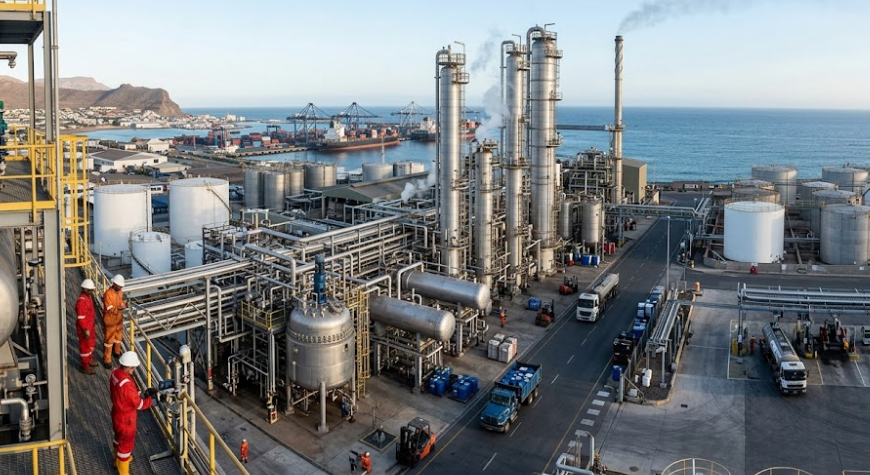
Understanding Ethyl Acetate production cost analysis has become increasingly important for chemical manufacturers, procurement teams, investors, and industrial planners operating in a volatile global market environment. Rising energy prices, fluctuating feedstock costs, tightening environmental regulations, and supply chain disruptions continue to influence the economics of industrial chemical production worldwide.
Ethyl acetate is widely used as a solvent in paints, coatings, adhesives, pharmaceuticals, printing inks, and packaging applications. Growing demand from construction, automotive, packaging, and pharmaceutical industries has increased the strategic importance of monitoring Ethyl Acetate manufacturing cost structures and plant economics.
In recent years, manufacturers have faced additional pressure from:
- Energy cost volatility
- Raw material price fluctuations
- Sustainability targets
- Transportation and logistics challenges
- Global trade uncertainties
As a result, detailed production cost analysis has become essential for evaluating profitability, optimizing procurement strategies, and supporting long-term investment planning.
Overview of Ethyl Acetate Manufacturing
Ethyl acetate is an organic solvent commonly produced through the esterification of ethanol and acetic acid. The process is widely adopted because of its relatively high conversion efficiency and established industrial scalability.
Esterification Process
The most common industrial manufacturing route involves the reaction:
- Ethanol
- Acetic acid
- Acid catalyst (typically sulfuric acid)
The reaction produces:
- Ethyl acetate
- Water
The simplified reaction is:
CH3COOH+C2H5OH→CH3COOC2H5+H2OCH_3COOH + C_2H_5OH \rightarrow CH_3COOC_2H_5 + H_2OCH3COOH+C2H5OH→CH3COOC2H5+H2O
Basic Manufacturing Flow
The production process generally includes:
- Raw material preparation
- Esterification reaction
- Distillation and separation
- Purification
- Storage and packaging
Distillation plays a critical role in achieving high product purity and improving process efficiency. Continuous production systems are commonly used in large-scale facilities to optimize throughput and reduce operating costs.
Key Technologies Used
Industrial producers may use:
- Continuous stirred-tank reactors (CSTR)
- Reactive distillation systems
- Energy-efficient heat integration technologies
- Automated process control systems
Technology selection directly affects:
- Energy consumption
- Product yield
- Capital investment
- Operating expenditure
- Overall manufacturing economics
Key Raw Materials and Inputs
Raw materials represent one of the largest components of Ethyl Acetate plant cost and operating economics.
Primary Feedstocks
Key feedstocks include:
- Ethanol
- Acetic acid
The availability and pricing of these materials strongly influence the cost of producing Ethyl Acetate.
Ethanol Pricing Impact
Ethanol prices vary significantly depending on:
- Agricultural output
- Corn or sugarcane pricing
- Biofuel demand
- Regional trade policies
In countries with strong bioethanol industries, feedstock integration may reduce manufacturing cost volatility.
Acetic Acid Market Influence
Acetic acid pricing is linked to:
- Methanol markets
- Natural gas prices
- Petrochemical supply conditions
Any disruption in upstream petrochemical markets can rapidly affect Ethyl Acetate production cost analysis.
Utilities and Energy Inputs
Important utility requirements include:
- Steam
- Electricity
- Cooling water
- Process heating
Energy-intensive separation and distillation stages can substantially impact operational expenditure, especially in regions with elevated industrial power tariffs.
Catalysts and Chemicals
Catalysts used in esterification processes influence:
- Reaction efficiency
- Conversion rates
- Product quality
- Maintenance requirements
Although catalyst costs are smaller than feedstock expenses, catalyst performance significantly affects overall plant economics.
Major Cost Drivers in Production
Several interconnected variables determine industrial production cost structures for Ethyl Acetate manufacturing facilities.
Raw Material Costs
Feedstock expenses generally account for the largest share of production costs. Volatility in ethanol and acetic acid markets directly impacts profitability margins.
Manufacturers often implement long-term sourcing agreements to reduce exposure to sudden market price swings.
Energy Consumption
Energy is a major contributor to Ethyl Acetate manufacturing cost because:
- Distillation requires substantial heat input
- Continuous operations demand stable electricity supply
- Utility costs fluctuate with global fuel markets
Natural gas price increases in major industrial economies have elevated operating costs for many chemical plants.
Labor and Operational Expenses
Labor costs vary depending on:
- Regional wage levels
- Plant automation
- Technical expertise requirements
- Safety compliance standards
Highly automated plants may reduce labor intensity but require larger upfront capital investment.
Plant Maintenance and Equipment
Routine maintenance expenses include:
- Reactor servicing
- Distillation column maintenance
- Corrosion management
- Instrumentation calibration
Unexpected shutdowns or equipment failures can significantly affect production efficiency and profitability.
Transportation and Logistics
Transportation costs are influenced by:
- Export infrastructure
- Fuel prices
- Shipping rates
- Storage availability
Global supply chain disruptions have increased freight-related expenses across the chemical sector in recent years.
Regional Cost Differences
The cost of producing Ethyl Acetate varies considerably across global manufacturing regions.
North America
North America benefits from:
- Strong petrochemical infrastructure
- Advanced manufacturing technologies
- Stable utility networks
However, labor and environmental compliance costs are relatively high compared to some emerging manufacturing hubs.
Middle East
The Middle East offers advantages such as:
- Competitive energy pricing
- Integrated petrochemical complexes
- Large-scale industrial facilities
Feedstock availability and low utility costs often improve manufacturing economics in this region.
Asia-Pacific
Asia remains a major production and consumption hub due to:
- Rapid industrialization
- Strong downstream demand
- Large manufacturing capacities
China and India continue expanding solvent manufacturing capabilities, although environmental regulations are becoming stricter.
Europe
European manufacturers face challenges related to:
- High energy prices
- Carbon reduction policies
- Environmental compliance costs
Despite these pressures, advanced process efficiency and sustainability investments help maintain competitiveness.
Impact of Market Trends on Production Economics
Several evolving industry trends are reshaping Ethyl Acetate production cost structures globally.
Green Manufacturing Initiatives
Chemical producers are increasingly investing in:
- Energy-efficient technologies
- Emission reduction systems
- Renewable energy integration
These initiatives may increase short-term capital expenditure but improve long-term sustainability and operational resilience.
Decarbonization Pressure
Governments and investors are emphasizing lower-carbon industrial operations. Manufacturers are evaluating:
- Cleaner process technologies
- Bio-based feedstocks
- Carbon capture strategies
Environmental compliance costs are becoming an increasingly important component of chemical plant cost analysis.
Energy Transition Effects
The global energy transition is influencing:
- Electricity pricing
- Natural gas markets
- Renewable energy adoption
Energy-intensive industries such as chemical manufacturing must continuously adapt to changing utility cost structures.
Supply Chain Diversification
Manufacturers are also reassessing supply chain strategies to reduce dependence on single-source suppliers and minimize geopolitical risk exposure.
Why Detailed Production Cost Intelligence Matters
Comprehensive production cost intelligence supports strategic decision-making across the chemical value chain.
Companies rely on detailed cost analysis for:
- New plant feasibility studies
- Capacity expansion planning
- Procurement optimization
- Competitive benchmarking
- Investment evaluation
- Margin forecasting
Accurate industrial production cost data enables organizations to identify operational risks and improve long-term profitability.
Detailed raw material cost analysis also helps procurement teams negotiate contracts more effectively and anticipate market fluctuations.
The Importance of an Ethyl Acetate Production Cost Report
A comprehensive [Ethyl Acetate Production Cost Report] provides detailed insights into manufacturing economics, including raw material consumption, process technology, capital investment requirements, operating costs, utility consumption, and profitability analysis.
These reports help:
- Chemical manufacturers assess operational efficiency
- Investors evaluate project feasibility
- Procurement teams understand sourcing economics
- Industrial planners benchmark regional competitiveness
In addition, detailed chemical plant cost analysis supports informed decision-making regarding process optimization, supply chain planning, and long-term investment strategies.
Final
As global chemical markets become increasingly complex, understanding Ethyl Acetate production cost structures is essential for manufacturers, investors, and procurement professionals.
Raw material pricing, energy volatility, regional economics, and sustainability regulations continue to shape manufacturing economics across the solvent industry. Companies that leverage accurate production cost analysis are better positioned to optimize operations, manage risk, and maintain competitiveness in evolving industrial markets.

 English
 Arabic